Camping T-shirt 11: A Designer’s Practical Review
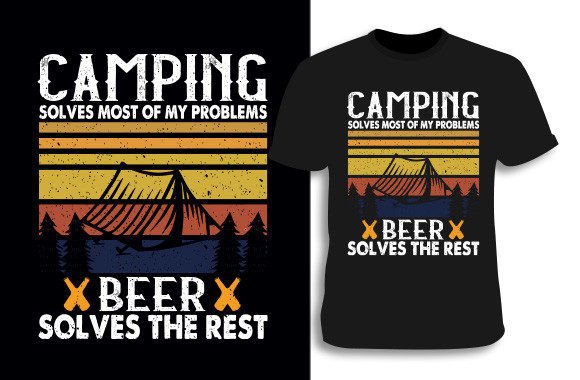
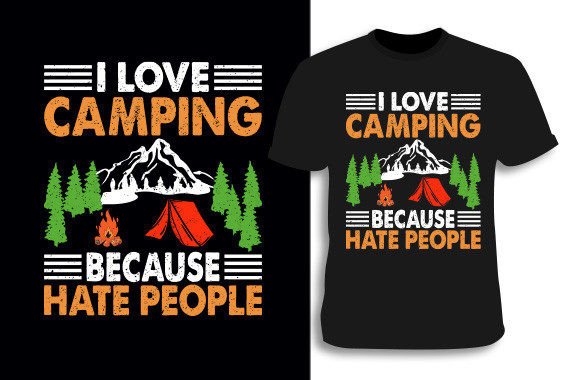
When I first pulled up Camping T-shirt 11 on my screen, I was not looking for flashiness. I was looking for utility. As a designer who spends half my life digitizing and the other half stitching, I have learned that the best designs are often the ones that respect the medium. This particular file caught my eye because it promised a balance between visual appeal and stitchability, a rare combination in the crowded market of T-Shirt Designs. My initial impression was one of grounded simplicity. The layout feels intentional, avoiding the clutter that often plagues outdoor-themed graphics. It creates a mood of quiet adventure rather than loud tourism, which is exactly what modern customers seem to be craving in their handmade product selections.
Visual Personality and Stitching Potential
The shape and theme of Camping T-shirt 11 lend themselves naturally to specific embroidery techniques. The design does not rely on microscopic details that vanish under thread tension. Instead, it uses bold lines and clear shapes that translate well into satin stitch borders and manageable fill stitch areas. When I visualize this on a piece of fabric, I see a design that breathes. It does not look like a solid block of ink; it looks like texture. This is crucial for maintaining the soft hand feel of the garment. For those of us creating custom apparel, preserving the drape of the fabric is just as important as the aesthetic of the logo or graphic.
In terms of Graphics, the file versatility is a significant advantage. You receive a PNG file that is print-ready with a transparent background, an AI file, an editable EPS file compatible with Adobe Illustrator CC, and an SVG file. This mix allows for seamless transition from digital mockups to physical production. Whether you are creating a printable mockup for your online store or preparing the final embroidery file for your machine, having these vector and raster options ensures you can scale and adjust without losing quality. It is a thoughtful inclusion for serious Etsy sellers and craft business owners who need to adapt their assets across different platforms.
Real-World Application: The Weekend Getaway Sweatshirt
To truly test the viability of Camping T-shirt 11, I imagined a specific client project: a custom embroidered sweatshirt for a family reunion at a national park. The client wanted something that felt boutique, not cheap. I placed the design on the left chest area of a heather grey fleece. The result was immediate clarity. The design’s lines held up against the textured surface of the fleece, proving that it can handle slightly rougher fabric texture without losing definition. This is a common pitfall with detailed designs, but Camping T-shirt 11 manages to remain legible even on materials that tend to swallow small stitches.
Beyond sweatshirts, this design shines on sturdy cotton tote bags. A tote bag design needs to withstand friction and weight. The robust nature of this graphic means it will not distort easily when the bag is loaded with groceries or beach gear. It also works beautifully as an embroidered patch. If you prefer to stitch out the design on twill tape or felt and then apply it, the clean edges of the SVG and EPS files make cutting and positioning straightforward. This flexibility opens up avenues for small shop product lines that go beyond standard apparel, such as aprons, pillow covers, or even heavy-duty canvas caps.
Navigating Technical Challenges
However, no design is universally perfect without consideration. There are scenarios where Camping T-shirt 11 requires careful handling. If you are working with stretchy fabrics like performance tees or thin rayon blends, you must prioritize your stabilizer choice. A cut-away stabilizer is non-negotiable here to prevent puckering, especially if the design includes any dense fill areas. While the design is generally open, any concentrated color blocks should be checked for stitch density in your embroidery software before hitting start. Reducing density slightly can prevent the fabric from tunneling or becoming stiff.
Another area for caution is curved surfaces. If you plan to use this on a cap, ensure your hoop size accommodates the curvature without distorting the horizontal elements of the design. Caps are unforgiving; a design that looks flat on a tablet can look warped on a six-panel hat. I recommend testing the design on scrap fabric of the same type and weight as your final product. This step is vital for maintaining brand consistency and professionalism. Customers notice when stitching is uneven or when the fabric pulls awkwardly around the design. A quick test run saves you from wasting expensive blanks and protects your reputation as a skilled maker.
Enhancing Product Value and Customer Trust
From a business perspective, Camping T-shirt 11 contributes significantly to perceived value. In the world of commercial embroidery, customers are paying for durability and uniqueness. A well-executed version of this design signals quality. It suggests that the item is a personalized gift meant to last, rather than a disposable trend. This perception builds customer trust and encourages repeat business. When buyers see clean, crisp stitching that respects the integrity of the garment, they are more likely to leave positive reviews and recommend your small shop product to friends.
The design also performs well in black and white mockups, which is a useful trick for checking contrast. Before committing to colorful threads, view the design in grayscale. If the elements blend together, you may need to adjust your thread colors to ensure distinct separation. High contrast improves readability, which is essential for brand recognition if you are using this for boutique branding. Whether it is for holiday embroidery gifts or everyday wear, the clarity of the design ensures that the message or image is communicated effectively from a distance.
Final Designer Notes
Before you integrate Camping T-shirt 11 into your workflow, take a moment to review the licensing terms provided with the download. While the description states you can use the design file on your products, always confirm whether there are restrictions on mass production or digital resale of the file itself. This due diligence protects your craft business from legal issues down the line. Additionally, since you receive editable AI and EPS files, take advantage of them. You might want to tweak the spacing or simplify a corner for smaller hoop size constraints. Having access to the vector source gives you control that pure bitmap files do not.
In conclusion, Camping T-shirt 11 is a reliable asset for designers who value practicality alongside aesthetics. It fits seamlessly into projects ranging from baby embroidery on organic cotton onesies to rugged sweatshirt embroidery for outdoor enthusiasts. By respecting the technical requirements of embroidery—such as proper stabilization, density management, and fabric selection—you can transform this digital asset into a high-quality finished product that delights customers and stands the test of time. It is a solid choice for anyone looking to expand their catalog of design assets with something that feels authentic, durable, and professionally crafted.