Reviewing Teacher T-shirt Design 15 for Real Embroidery
As a designer who has spent countless hours digitizing and stitching out machine embroidery design files, I have learned that not every graphic translates well to thread. When I first opened the files for Teacher T-shirt Design 15, my immediate goal was not just to admire the aesthetic but to evaluate its viability for actual production. Whether you are an Etsy seller looking to expand your catalog or a hobbyist creating a personalized gift for a favorite educator, understanding how a digital asset behaves under the needle is crucial. This review breaks down the practical application of this specific Graphics file, focusing on real-world usage rather than theoretical appeal.
First Impressions and Visual Personality
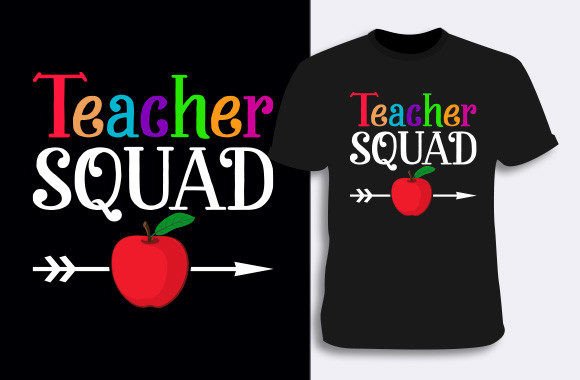
The initial visual impact of Teacher T-shirt Design 15 is clean and purposeful. In the world of T-Shirt Designs, clarity is king. A cluttered design often results in a muddy finished product, especially when scaled down for smaller items like pockets or caps. This design appears to strike a balance between detail and simplicity, which is essential for maintaining stitch definition. The layout suggests a theme that resonates with educational professionals, likely featuring elements that are recognizable and emotionally engaging without being overly complex.
From a reviewer’s standpoint, the mood here is professional yet approachable. It does not scream for attention with chaotic lines but instead offers a steady, confident presence. This makes it an excellent candidate for custom apparel where the wearer wants to express pride in their profession without appearing gimmicky. For those of us who create handmade product lines, this kind of versatility is invaluable because it appeals to a broad demographic of teachers, from preschool educators to university professors.
Real-World Application Scenarios
To truly test the worth of an embroidery file, I mentally place it on various substrates. Let us consider a common scenario: preparing a custom order for a local school’s end-of-year appreciation event. I envision using Teacher T-shirt Design 15 on a high-quality cotton tote bag. Tote bags are popular small shop product items because they are practical and offer a large, flat canvas. The design’s structure seems robust enough to handle the texture of canvas fabric, provided the correct stabilizer is used.
Another viable application is sweatshirt embroidery. Hoodies and crewnecks are staple items for teacher lounges. The design would sit well on the left chest area, offering a subtle branding effect. However, one must be cautious with the fabric pile. If the sweatshirt is fleece-lined or has a heavy nap, the finer details of the design might get lost. In such cases, adjusting the thread colors to create higher contrast becomes necessary. I also see potential in using this for embroidered patch creation. Patches allow for dense stitching on a stable backing before being applied to garments, which can preserve the integrity of intricate parts of the design that might otherwise pucker on stretchy fabrics.
For those interested in baby embroidery or nursery decor, this design could be adapted for a teacher’s classroom library pillows or even a personalized apron for art teachers. The key is scaling. While the original files may be optimized for standard t-shirt sizes, reducing them significantly for baby onesies requires careful inspection of small elements to ensure they do not become unrecognizable blobs of thread.
Technical Considerations for Stitching
When working with any digital embroidery file, technical preparation is half the battle. The product description indicates that you receive a PNG file, AI file, EPS file, and SVG file. It is important to note that these are primarily vector and raster graphics formats, not native machine embroidery formats like PES or DST. This means that if you are planning to use this for commercial embroidery, you will need to digitize it yourself or hire a digitizer unless the provider includes converted stitch files. This distinction is vital for craft business owners who may assume the files are ready to load directly into their machines.
If you are digitizing this yourself, pay close attention to stitch density. Areas that look solid in the vector graphic may require a fill stitch pattern that is too dense for certain fabrics, leading to stiffness or puckering. I recommend using a combination of satin stitch for borders and text, and lighter fill patterns for larger shapes. Always run a test stitch-out on scrap fabric that matches your final project material. This allows you to check for registration issues and adjust pull compensation accordingly.
Consider the hoop size you intend to use. If the design is large, ensure your machine can accommodate the dimensions without requiring re-hooping, which can lead to alignment errors. For curved surfaces like caps or hats, the design must be simplified further to account for the curvature and the difficulty of stabilizing structured front panels.
Navigating Fabric and Color Challenges
Fabric choice dramatically alters the outcome of Teacher T-shirt Design 15. On smooth, tightly woven cotton, the design will appear crisp and professional. However, on textured fabrics like linen or waffle-knit towels, the stitches may sink into the weave. In these cases, using a cut-away stabilizer and potentially a topping film can help keep the stitches on the surface. For dark fabrics, ensure that your digitizing includes underlay stitches to prevent the background color from showing through the top threads.
Color selection is another critical factor. While the design may look striking in full color in its printable mockup form, embroidery often benefits from a limited palette. Using too many thread changes can increase production time and cost, which impacts profitability for Etsy sellers. I suggest testing the design in monochrome or two-tone variations to see if it retains its visual impact. High contrast between the thread and the fabric is essential for readability, especially if the design includes any text or fine lines.
Commercial Viability and Brand Consistency
For creative entrepreneurs, the value of a design lies in its ability to enhance brand perception. Teacher T-shirt Design 15 offers a polished look that can elevate a finished product from amateur to artisanal. When customers see clean, well-executed embroidery, it builds trust and justifies a higher price point. This design fits well within a cohesive collection of educational-themed items, allowing for consistent branding across different products like mugs, shirts, and bags.
However, always verify the licensing terms. The description states you can use the design file on your products, but it is prudent to confirm whether this extends to unlimited commercial sales or if there are restrictions on mass production. Protecting your business means understanding the legal boundaries of the design assets you purchase.
Final Verdict for Makers and Designers
In conclusion, Teacher T-shirt Design 15 is a versatile graphic resource that holds significant promise for various embroidery project types. Its strength lies in its balanced composition and thematic relevance. Success with this design depends heavily on proper digitization, thoughtful fabric selection, and meticulous testing. Whether you are creating a holiday embroidery gift or stocking your online store with custom apparel, taking the time to understand the technical requirements will ensure a high-quality result. Approach this design with a critical eye, respect the limitations of thread and fabric, and you will find it to be a valuable addition to your creative toolkit.