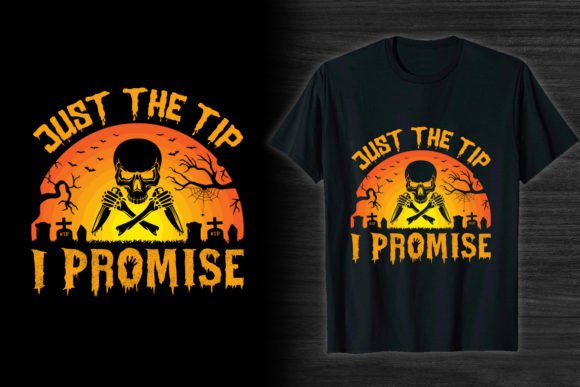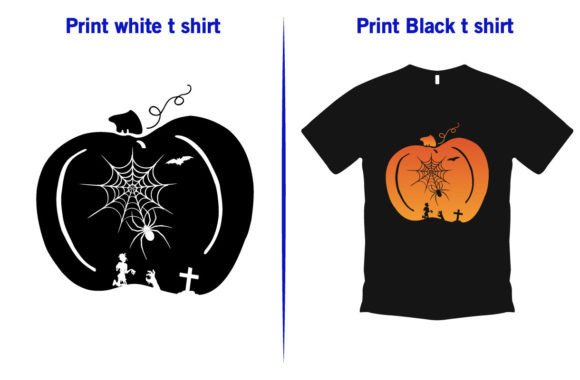
Reviewing the Halloween Graphic T-Shirt Design for Embroidery
As a designer who spends half my life staring at digitized files and the other half watching needles punch through fabric, I have learned to be skeptical of generic listings. When I first pulled up the Halloween Graphic T-shirt Design, my initial reaction was cautious. The product description explicitly states it is a vector intended for screen-printing and digital DTG printing for POD businesses. It does not claim to be a pre-digitized embroidery file. This distinction is critical. For us in the craft and apparel decoration world, this means we are looking at a source graphic that requires careful translation into stitch data, rather than a plug-and-play solution.
First Impressions and Visual Personality
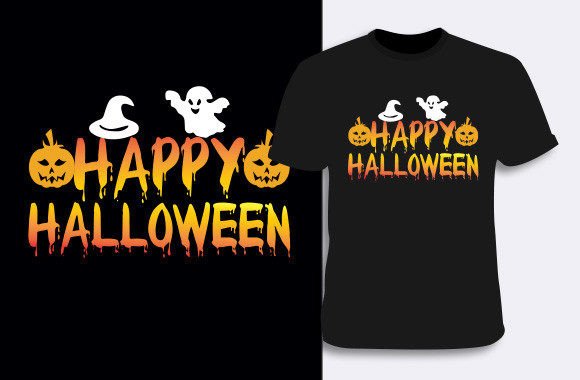
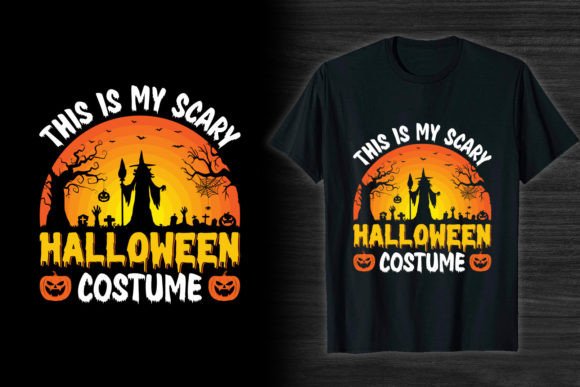
The mood of this design is undeniably spooky yet approachable. It avoids the overly grotesque imagery that can alienate younger customers or conservative buyers, opting instead for a classic, high-contrast aesthetic. The shapes are bold, which is a positive sign for embroidery. In machine embroidery, fine details often get lost in the texture of the thread. A design with strong silhouettes and clear negative space tends to translate better into satin stitch and fill stitch formats.
When evaluating this as a potential embroidery project, I look at the line weight. Since this is a vector graphic, the lines are theoretically infinite in resolution. However, for embroidery, we need to consider how those lines become threads. The visual personality suggests it would work beautifully on dark fabrics, where the bright, contrasting thread colors can pop against the background. It feels like a design that belongs on casual wear rather than formal attire, fitting perfectly into the realm of holiday fun and seasonal novelty.
Real-World Application: The Custom Sweatshirt Scenario
To test the viability of this design in my mind, I imagined a recent client request. A local boutique owner wanted a limited run of custom sweatshirts for October. She needed something that looked professional but retained a handmade charm. Using the Halloween Graphic T-shirt Design as the base, I visualized how it would sit on a heavyweight cotton blend.
For a sweatshirt, the fabric texture is thicker, which can hide minor imperfections in stitch density. However, the curvature of the chest area requires careful placement. If I were digitizing this vector for embroidery, I would ensure the center of gravity of the design aligns with the wearer’s sternum to prevent pulling. The bold nature of the graphics means it would hold its shape well even after multiple washes, provided the stabilizer is chosen correctly. This kind of custom apparel benefits from designs that do not rely on microscopic details, making this graphic a strong candidate for adaptation.
Adapting for Smaller Items and Accessories
Beyond apparel, I considered how this graphic would perform on smaller goods. An embroidered patch is a fantastic avenue for this type of artwork. Patches allow for dense stitching and sturdy backing, which supports complex shapes. If you are an Etsy seller or run a small shop product line, creating iron-on or sew-on patches from this design could be more profitable than full-front shirt embroidery. It reduces production time per unit and appeals to customers who want to customize their own jackets or bags.
Similarly, a tote bag design using this graphic could be very effective. Canvas tote bags have a tight weave that holds stitches well. The high-contrast nature of the Halloween theme would stand out against natural beige or black canvas. However, one must be mindful of the hoop size. If the design is large, it may require a multi-hoop process or a large format machine. For standard home machines, scaling the design down to fit a 5x7 or 4x4 hoop might be necessary, which brings us to potential pitfalls.
Critical Considerations for Embroiderers
While the visual appeal is strong, there are technical hurdles when converting a print-oriented vector into a machine embroidery design. The most significant issue is stitch density. Screen printing lays ink flat; embroidery builds height. If the original graphic has large solid black areas, translating that directly into a fill stitch can result in a stiff, heavy patch that distorts the fabric. You must manually adjust the density in your digitizing software, perhaps using a patterned fill or leaving small gaps to reduce bulk.
Another concern is tiny lettering or intricate corners. If the Halloween Graphic T-shirt Design includes any text or fine decorative elements, these must be scrutinized. On textured fabrics like terry cloth or fleece, small details disappear. On stretchy fabrics like jersey knits, dense stitching can cause puckering if the wrong stabilizer is not used. I always recommend testing the design on scrap fabric first. Do not assume that because it looks good on a computer screen, it will look good on a garment.
Fabric and Thread Choices
The success of this design relies heavily on thread colors. Since it is a Halloween theme, traditional orange, black, purple, and green are obvious choices. However, consider the contrast. Black thread on a black shirt is invisible unless you use a glossy rayon or metallic thread to create texture differences. For a personalized gift or holiday embroidery project, experimenting with variegated threads could add depth to the flat vector shapes.
Be cautious with thin fabrics. If you attempt to put this design on a lightweight t-shirt without proper cut-away stabilizer, the weight of the stitches will pull the fabric, creating an unsightly pucker. For baby embroidery items, softness is paramount. A dense, heavy design might be uncomfortable against sensitive skin. In such cases, consider using an applique technique where the graphic is cut from fabric and stitched down, reducing the amount of thread on the garment.
Commercial Viability and Brand Consistency
For creative entrepreneurs and digital product sellers, the licensing aspect is crucial. The product description mentions use for POD businesses, but embroidery is a different beast. If you are selling finished physical items, you generally have more leeway, but if you are selling the digital embroidery file itself, you must ensure you have the rights to distribute the digitized version. Always check the specific license terms provided by the creator.
From a branding perspective, this design offers high recognition. Halloween is a high-volume sales period for craft business owners. Having a unique, high-quality graphic allows you to stand out from the sea of clip-art based designs. It enhances customer trust because the professional look suggests attention to detail. Whether used for printable mockup previews or actual finished product photography, the strong visual identity helps in marketing.
Final Verdict for Designers
The Halloween Graphic T-shirt Design is a robust starting point for embroidery projects, provided you approach it with a digitizer’s mindset. It is not a ready-to-stitch file, but a high-quality asset that rewards careful adaptation. Its bold shapes and thematic clarity make it suitable for a wide range of applications, from sweatshirt embroidery to decorative patches.
Remember to respect the limitations of the medium. Adjust your stitch density, choose your stabilizer wisely, and always test on similar fabrics before committing to client work. By treating this vector as a blueprint rather than a final product, you can create stunning, durable, and commercially viable handmade products that capture the spirit of the season while maintaining professional quality. For those willing to put in the digitizing effort, this graphic is a valuable addition to your library of design assets.