Gym T-shirt Design: A Designer’s Real-World Review
As a designer who has spent countless hours hooping fabric, troubleshooting thread breaks, and analyzing how digital art translates into physical texture, I approach every new machine embroidery design with a critical eye. It is not enough for a graphic to look good on a screen; it must survive the needle. Recently, I evaluated the Gym T-shirt Design to determine its viability for real-world projects. This is not just a visual assessment but a practical breakdown of how this asset performs when moved from a digital folder to a finished product.
First Impressions and Visual Personality
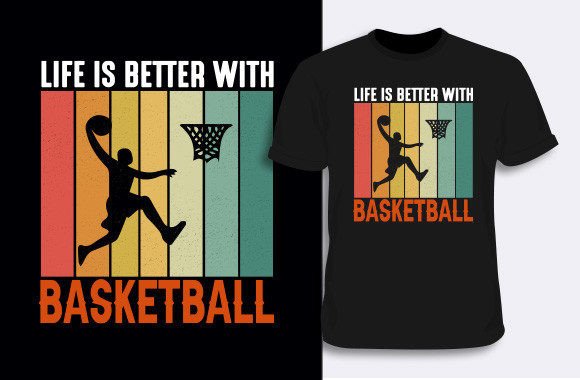
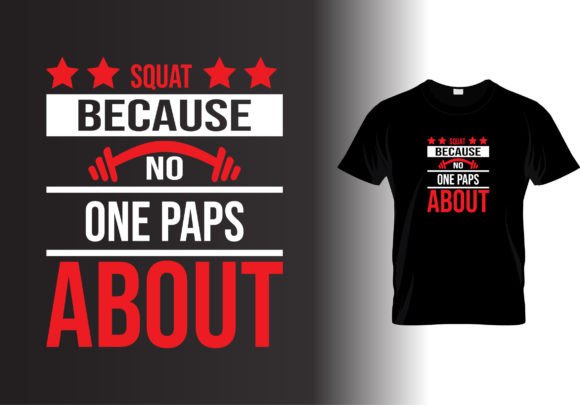
The first thing that strikes you about the Gym T-shirt Design is its bold, energetic layout. In the world of T-Shirt Designs, clarity is king. When a customer glances at a sweatshirt or a tote bag, they need to understand the message instantly. This design achieves that through strong shapes and a theme that resonates with fitness enthusiasts. The visual personality is modern and assertive, avoiding the cluttered details that often cause stitching issues.
From a reviewer’s perspective, the mood here is motivational yet clean. It does not rely on excessive ornamentation, which is a smart move for embroidery. Complex gradients and tiny details often get lost in thread, but this design uses solid forms that suggest it will translate well into satin stitch borders and balanced fill stitch areas. The layout feels intentional, leaving enough negative space to let the fabric breathe, which is crucial for maintaining the drape of a garment.
Real-World Application: The Custom Sweatshirt Test
To truly understand the value of any embroidery file, you must imagine it in a specific context. I envisioned using this design for a custom order: a high-quality, heavyweight cotton sweatshirt for a local gym’s merchandise line. The goal was to create a piece of custom apparel that felt premium, not like a cheap promotional giveaway.
Placing the Gym T-shirt Design on the left chest area of the sweatshirt proved to be the most effective strategy. At this size, the design acts as a subtle brand identifier rather than an overwhelming graphic. The lines appeared crisp, and the spacing between elements suggested that the stitch density would be manageable. For a small business owner or an Etsy seller, this versatility is key. You are not locked into one application; the same design could work on a tote bag design for gym goers or as a central feature on a personalized gift for a fitness coach.
Versatility Across Product Types
Beyond apparel, I considered how this graphic would perform on other surfaces. An embroidered patch is a fantastic option for this type of artwork. Patches allow you to control the backing and stabilizer completely, ensuring the design holds its shape regardless of where the customer attaches it. Additionally, this design could elevate a simple canvas tote, turning it into a functional piece of handmade product inventory for a craft fair.
However, caution is needed when applying this to curved surfaces like caps. While the design is robust, the curvature of a cap can distort wider graphics. If you plan to use this for headwear, I recommend testing a smaller version first to ensure the proportions remain balanced. For flat items like kitchen towel sets or aprons for personal trainers, the design shines because the stable fabric supports the stitch work without puckering.
Technical Considerations for Stitching
One of the most important aspects of reviewing Graphics for embroidery is understanding the limitations of the medium. Thread has thickness; it has texture. It does not behave like ink. When I look at the Gym T-shirt Design, I consider how the thread colors will interact. High contrast is essential. If you are stitching on dark fabric, you must ensure your thread palette pops. A mockup in black and white is a useful trick to check if the design’s structure holds up without color reliance.
Stabilizer choice is another critical factor. For stretchy fabrics like performance tees, a cut-away stabilizer is non-negotiable to prevent distortion. For woven fabrics like tote bags or aprons, a tear-away might suffice, but always test on scrap fabric first. This step saves time and materials in the long run. Pay attention to any small text or intricate corners in the design. If the original files include tiny lettering, verify that your machine can handle it at your desired hoop size. Tiny details often turn into messy blobs if the needle penetration is too dense.
Navigating File Formats and Usage
The product description notes that this design comes in EPS, SVG, and PNG formats. This is an important distinction for buyers. As an embroidery professional, I must clarify that these are primarily vector and raster image formats, often used for sublimation, printing, or digital mockups. The description mentions creating products such as sublimation t-shirts, mugs, and bags. This suggests the primary intent may be for print-on-demand or digital design assets rather than direct machine embroidery stitches (like DST or PES).
If you intend to use this for actual machine embroidery, you will likely need to digitize these vectors yourself or convert them using specialized software. The high-resolution PNG (4500×5400) is excellent for creating printable mockup previews for your online store. Use these assets to show customers what the finished product could look like. Always confirm licensing terms before selling items. Whether you are a small shop product creator or a large-scale manufacturer, knowing if the license covers commercial use is vital for your craft business integrity.
Enhancing Brand Value and Customer Trust
Why does the quality of your design matter? Because it reflects your brand. A clean, well-executed Gym T-shirt Design signals professionalism. When customers see precise stitching and thoughtful placement, their trust in your handmade product increases. This is particularly true for holiday embroidery gifts or special occasion items where expectations are high.
Using high-quality design assets allows you to charge a premium. It differentiates your Etsy listings from mass-produced imports. The visual appeal of the design, combined with the tactile quality of embroidery, creates a sensory experience that digital prints cannot match. This is the core value proposition for any creative entrepreneur in the apparel space.
Final Verdict for Makers and Sellers
The Gym T-shirt Design is a strong candidate for fitness-themed merchandise. Its bold aesthetic works well for sweatshirt embroidery, patches, and tote bags. However, users must be aware of the file types provided. Since the package includes EPS, SVG, and PNG, it is best suited for those who have digitizing capabilities or who are focusing on sublimation and print applications.
Before committing to a large production run, always stitch out a sample. Check the tension, inspect the back for loose threads, and wash the item to test durability. By treating this design as a flexible component of your broader embroidery project toolkit, you can create diverse, high-value items that resonate with your audience. Whether you are making a baby embroidery item for a little gymnast or branding gear for a boutique studio, this design offers a solid foundation for creative expression.