Reviewing Hope: A Designer’s Take on Typography Embroidery
As an embroidery designer who has spent countless hours digitizing and stitching text-based motifs, I approach every new machine embroidery design with a critical eye. We have all seen typography designs that look crisp on a screen but turn into a tangled mess of thread on fabric. Today, I am evaluating Hope, a typography-focused asset marketed primarily for T-shirt graphics but increasingly relevant for stitched applications. The core question is simple: does this design translate well from a digital Graphics file to a tangible, high-quality embroidery project?
First Impressions and Visual Personality
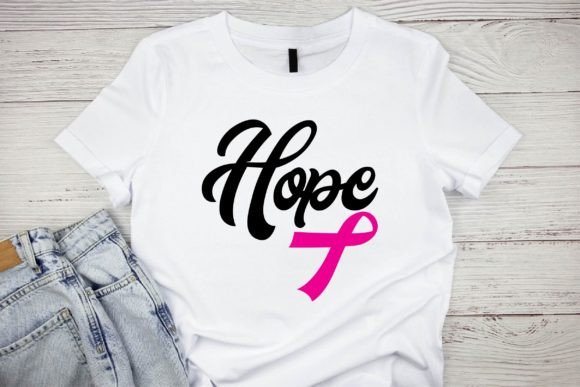
The first thing you notice about Hope is its bold, assertive presence. In the context of T-Shirt Designs, strong typography is essential because it needs to be legible from a distance. However, when we shift our perspective to embroidery, legibility is only half the battle. The other half is stitchability. The design carries a mood of resilience and warmth, which makes it a natural fit for supportive causes, such as breast cancer awareness campaigns, or uplifting personal gifts.
The layout appears clean, with balanced spacing between letters. This is crucial. In embroidery, tight kerning can lead to thread buildup, while excessive spacing can make the word feel disjointed on smaller items. The visual personality of Hope suggests it belongs on items meant to be seen and felt, rather than hidden away. It feels modern yet timeless, avoiding overly trendy flourishes that might date the finished product quickly.
Real-World Application: Beyond the T-Shirt
While the product description highlights its use for websites and stores as a PNG or EPS, my mind immediately goes to physical goods. Let us consider a real-life scenario. Imagine a small business owner preparing a custom order for a local charity run. They need a sweatshirt embroidery piece that stands out against a heather gray fleece. Using Hope here could work beautifully, provided the digitization supports the fabric's texture.
I also see potential in tote bag design. Canvas is a sturdy medium that handles higher stitch density well. A large hoop size would allow the word to stretch across the front panel, creating a statement piece. For Etsy sellers looking to expand their craft business inventory, this design could be adapted for embroidered patch production. Patches are versatile; they can be ironed onto jackets, bags, or hats, offering customers a low-commitment way to wear the message.
However, we must be realistic about scale. If you are attempting baby embroidery on a onesie, the original scale of a T-shirt design might be too large or dense. You would need to ensure the design scales down without losing integrity. Tiny details in typography can become indistinct if the stitches are too close together on soft, stretchy knit fabrics.
Technical Considerations for Stitchers
Before loading any digital embroidery file into your machine, you must assess the technical requirements. Since Hope is provided as a high-resolution PNG and EPS, it is technically a graphic asset, not a native embroidery file format like PES or DST. This means you, or your digitizer, will need to convert it. This step is critical.
When converting typography for embroidery, pay close attention to satin stitch widths. If the letters are thick, a satin stitch might be too wide and prone to snagging. In such cases, a fill stitch or a combination of running and satin stitches might be more appropriate. Check the stitch density carefully. High density looks luxurious but can cause puckering, especially on lighter fabrics. Always use the correct stabilizer. For a custom apparel project like a t-shirt, a cut-away stabilizer is often safer than tear-away to prevent distortion after washing.
Thread color choice plays a massive role in how Hope is perceived. On dark fabrics, you will need high-contrast thread colors to ensure readability. On light fabrics, you have more freedom, but consider using metallic or variegated threads to add depth to the handmade product. Test the design on scrap fabric first. This allows you to check for thread breaks, tension issues, and overall clarity before committing to the final garment.
Where to Use Caution
Not every surface is suitable for this type of design. Avoid using Hope on highly textured fabrics like thick wool or bouclé unless you are experienced with compensating for texture. The stitches may sink into the pile, making the text hard to read. Similarly, be cautious with stretchy fabrics like jersey knits if you do not have proper stabilization. The design could warp after the first wash, ruining the personalized gift aspect.
Curved surfaces, such as caps or hats, present another challenge. The center of the cap is small, and the curvature can distort straight lines. If you plan to use Hope for holiday embroidery on caps, ensure the design is centered perfectly and that the hoop size matches the available space. Detailed corners in typography can also be tricky; sharp angles may require tie-offs or specific stitch directions to maintain crispness.
Enhancing Brand Value and Customer Trust
For small shop product lines, consistency is key. Using a well-executed version of Hope can enhance brand recognition. Customers associate clean, professional stitching with quality. A sloppy embroidery job can undermine trust, while a crisp, well-stitched design reinforces the value of the commercial embroidery service. This is particularly important for printable mockup previews. Ensure your digital representations match the physical reality to avoid customer disappointment.
When selling design assets or finished items, always clarify licensing. Since the source provides PNG and EPS, verify if the license covers commercial use for physical goods. Many designers assume digital rights extend to physical sales, but this is not always the case. Confirming these details protects your craft business from legal issues and ensures ethical practice.
Final Verdict for Makers
Hope is a versatile typographic element that holds significant potential for embroidery if handled with technical care. It is not just a Graphics file for a website; it is a foundation for meaningful apparel decorators and creative entrepreneurs to build upon. Whether you are creating a pillow cover for a nursery, a kitchen towel for a housewarming gift, or a batch of shirts for a community event, this design can serve as a powerful focal point.
Remember to test on scrap fabric, choose your stabilizer wisely, and respect the limitations of your machine and fabric. By treating Hope as a serious embroidery component rather than just a print graphic, you elevate the final product. It becomes more than just thread on cloth; it becomes a durable, tactile expression of sentiment that customers will cherish. For hobbyists and professionals alike, the key lies in the preparation and the precision of the stitch.