Reviewing I AM BLACK HISTORY Juneteenth for Embroidery
As a designer who spends half my life digitizing and the other half stitching, I approach every new graphic with a mix of excitement and skepticism. We see thousands of T-Shirt Designs flood the market, but few translate well from a flat screen to the textured reality of thread and fabric. Recently, I evaluated the I AM BLACK HISTORY Juneteenth design to determine its viability for real-world embroidery projects. This is not just about aesthetics; it is about structural integrity, stitchability, and commercial potential for small business owners and crafters.
First Impressions and Visual Mood
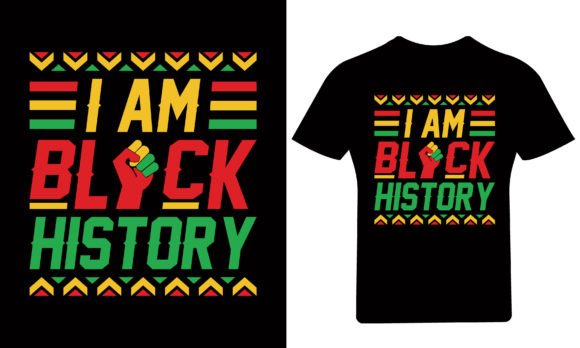
The immediate impact of I AM BLACK HISTORY Juneteenth is one of bold declaration. The typography carries weight, which is essential for a message rooted in identity and heritage. Visually, the layout feels balanced, avoiding the clutter that often plagues holiday-specific graphics. For an embroidery designer, this clarity is crucial. Complex gradients or tiny, intricate details often disappear under the needle, but this design’s strong lines suggest it can hold up well when converted into a machine embroidery design.
The mood is celebratory yet grounded. It does not rely on excessive ornamentation, which makes it versatile. Whether you are creating a high-end boutique item or a casual community event shirt, the design commands attention without feeling overly busy. This simplicity is a strength, particularly when working with thread colors that need to pop against various fabric backgrounds.
Real-World Application: The Custom Tote Bag Scenario
To test the practicality of this asset, I imagined a specific client project: a set of custom tote bags for a local Juneteenth community gathering. The client wanted something durable, readable from a distance, and suitable for repeated washing. Using I AM BLACK HISTORY Juneteenth as the central motif, I considered how it would interact with a heavy canvas material.
Canvas has a distinct fabric texture that can interfere with fine details. However, because this design relies on strong typographic elements rather than delicate filigree, it translates beautifully to a tote bag design. The boldness ensures that the message remains legible even when the fabric shifts or wrinkles. For an Etsy seller or craft business owner, this reliability is key. You do not want to spend hours hooping and stitching only to have the text blur into an unreadable mess after one wash.
Adapting for Apparel and Accessories
Beyond totes, this graphic has significant potential for custom apparel. Imagine this design embroidered on the back of a denim jacket or the chest of a heavyweight hoodie. The sweatshirt embroidery market is thriving, and customers are looking for meaningful, high-quality statements. When digitizing this for knit fabrics, one must pay close attention to stitch density. Too dense, and the garment will pucker; too light, and the backing might show through.
For baby embroidery projects, such as a commemorative onesie, scale becomes the primary concern. While the design is powerful, it may need to be simplified or resized significantly to fit within a small hoop without losing clarity. Always test on scrap fabric first to ensure the running stitch outlines and fill stitch areas behave correctly on stretchy materials.
Technical Considerations for Digitizers
The product description lists included files such as Ai, EPS, Transparent PNG, and SVG. It is important to note that these are vector and raster graphics, not native embroidery files like PES or DST. As a professional, you must digitize these assets yourself or hire a digitizer. This step is critical. You cannot simply print an SVG onto fabric and call it embroidery.
When converting I AM BLACK HISTORY Juneteenth into an embroidery file, consider the following:
- Hoop Size: Determine the maximum size your machine can handle. This design may require a large hoop to maintain readability, especially if used on adult-sized garments.
- Stabilizer Choice: For dark or thick fabrics, a cut-away stabilizer is often necessary to prevent distortion. For lighter items like tea towels, a tear-away might suffice, but test thoroughly.
- Thread Contrast: Since the design is text-heavy, ensure high contrast between the thread and the fabric. Gold, red, and black are traditional Juneteenth colors, but consider how they read on navy, white, or heather gray fabrics.
- Small Details: Inspect the corners of the letters. Sharp angles in vectors can become bulky knots in embroidery. Use proper underlay stitches to anchor the design and prevent shifting.
Navigating Fabric and Surface Challenges
Not every surface is ideal for this type of bold graphic. Curved surfaces like caps require careful placement to avoid distortion. If you are creating an embroidered patch instead of direct-to-garment stitching, you have more control over the stabilization process. Patches allow you to use stiff backing and then attach the finished product via velcro or sewing, which is excellent for items that undergo frequent washing.
Be cautious with thin or stretchy fabrics. The fill stitch areas in a design of this magnitude can cause puckering if the tension is not perfectly calibrated. Always run a test stitch-out on similar material before committing to a customer order. This practice builds trust and ensures your finished product meets professional standards.
Commercial Value and Brand Consistency
For small shop product lines, consistency is vital. I AM BLACK HISTORY Juneteenth offers a cohesive look that can be adapted across various items, from pillow covers to aprons. This versatility allows you to create a themed collection for the holiday season, enhancing your brand’s perceived value. Customers appreciate when a designer puts thought into how a graphic functions across different mediums.
Using high-quality design assets like this helps differentiate your handmade product from mass-produced alternatives. The tactile nature of embroidery adds a layer of luxury and care that printed graphics often lack. When a customer feels the raised texture of the stitches, it reinforces the message of the design, making it a more impactful personalized gift or statement piece.
Final Verdict for Creators
The I AM BLACK HISTORY Juneteenth graphic is a strong candidate for embroidery projects, provided it is digitized with care. It offers clear visual communication and emotional resonance, which are essential for holiday embroidery and cultural celebrations. However, success depends on your technical execution. Check licensing terms carefully before selling commercial embroidery items. Ensure you have the rights to use the design for profit, as rules vary by creator.
By respecting the technical limitations of your machine and the properties of your chosen fabrics, you can transform this digital graphic into a stunning physical artifact. Whether you are an experienced apparel decorator or a hobbyist looking to expand your skills, this design rewards attention to detail. Treat it not just as an image, but as a blueprint for texture, color, and form. With the right approach, it will elevate your portfolio and delight your customers.