Reviewing the Boos Booze Sublimation Design for Embroidery
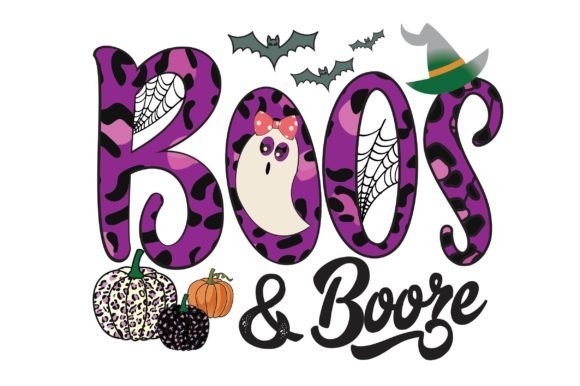
As a designer who spends half my life digitizing and the other half stitching, I have learned to look past the glossy mockups. When I first encountered the Boos Booze Sublimation Design, my initial reaction was skepticism. The product description labels it as a sublimation file, complete with high-resolution PNGs and transparent backgrounds, which typically signals a print-only asset. However, in the world of custom apparel and handmade goods, lines often blur. I wanted to determine if this graphic could translate into a viable machine embroidery design or if it should remain strictly in the realm of digital printing.
First Impressions: Mood and Visual Personality
The aesthetic is undeniably playful. The combination of spooky typography with beverage-themed graphics creates a mood that is perfect for the adult Halloween market. It is not terrifying; it is inviting. For an Etsy seller or craft business owner, this distinction matters. Customers looking for holiday decor often want something they can wear to a party or display in a home without feeling like they are in a haunted house. The visual personality here is casual, fun, and slightly rebellious.
From a layout perspective, the design relies heavily on bold shapes and clear lines. This is crucial when considering conversion to embroidery. Intricate gradients and subtle shadows, common in sublimation art, do not stitch well. If you are planning to use this as a reference for creating a custom embroidery file, you will need to simplify the color palette. The original Graphics may feature complex shading, but successful sweatshirt embroidery requires distinct thread colors and clean boundaries.
Real-World Application: The Tote Bag Test
To test the viability of this concept, I imagined applying it to a canvas tote bag design. This is a popular item for small shop products during the fall season. The sturdy fabric of a tote provides a stable base, allowing for higher stitch density without puckering. If I were to digitize this quote and graphic combo, I would prioritize a bold fill stitch for the main text and perhaps a satin stitch border for the graphical elements to make them pop.
In this scenario, the design serves as a statement piece. A customer carrying this bag to a harvest festival or a casual gathering would likely receive compliments. It transforms a simple utility item into a personalized gift or a boutique-style accessory. The key is ensuring the scale is correct. On a large tote, the design can be expansive. On a smaller item, like a embroidered patch, the details might get lost.
Navigating Fabric and Technique Challenges
While the concept is strong, the execution requires caution. The source files are provided as PNG, JPG, EPS, and PDF. These are vector and raster image formats, not native embroidery formats like PES or DST. This means you cannot simply load these files into your machine. You must either use the image as a template for manual digitizing or find a converted version if available. If you are digitizing it yourself, pay close attention to the running stitch underlays to ensure stability on stretchy fabrics.
Consider the fabric texture. On a smooth cotton t-shirt, the design will look crisp. However, on textured materials like a fuzzy fleece or a ribbed knit, fine details can disappear. For baby embroidery or delicate items, I would advise simplifying the design further. Tiny lettering and dense corners can cause needle breaks or fabric distortion. Always test the design on scrap fabric first. Check how the thread colors contrast against the material. A dark thread on a dark fabric will render the "eye catching graphics" invisible.
Where to Use Carefully
- Curved Surfaces: Applying this to a cap requires careful hooping and possibly splitting the design to avoid distortion.
- Thin Fabric: Without proper stabilizer, the weight of the stitches can pull and warp lightweight materials.
- Small Hoop Sizes: Ensure the entire quote fits within your hoop without resizing to the point of illegibility.
- Frequent Washing: Dense stitch areas can become stiff. Consider using softer threads or reducing density for items like kitchen towels.
Commercial Value and Brand Consistency
For commercial embroidery projects, consistency is king. If you are selling custom apparel, your customers expect a professional finish. Using a design that originated as a sublimation graphic requires extra diligence. You must ensure that the final stitched product looks intentional, not like a failed print attempt. The value lies in the transformation. By taking a popular digital trend and rendering it in thread, you add tactile value and perceived quality.
This approach works well for holiday embroidery collections. It allows you to offer unique items that stand out from mass-produced printed shirts. Whether it is a pillow cover for home decor or a themed apron for a hostess gift, the tactile nature of embroidery elevates the product. Buyers often associate hand-stitched or machine-embroidered items with higher craftsmanship, which can justify a higher price point in your small shop product lineup.
Practical Notes for Designers
Before committing to a full production run, take these steps:
- Verify Licensing: The product description mentions it is perfect for t-shirts, but check if the license covers commercial embroidery sales. Some digital assets are restricted to print-on-demand only.
- Create Mockups: Use the provided PNGs to create printable mockup visuals. See how the design looks in black and white to judge contrast before selecting threads.
- Check Stitch Density: If you digitize the design, keep the density moderate. Too many stitches can make the garment uncomfortable to wear.
- Test on Dark and Light Fabrics: Ensure your thread choices work universally. You may need two variations of the design—one for light fabrics and one for dark.
In conclusion, the Boos Booze Sublimation Design offers a strong visual foundation for creative entrepreneurs. While it is not a ready-to-stitch digital embroidery file out of the box, its bold graphics and trendy theme make it an excellent candidate for conversion. With careful digitizing and attention to fabric choice, it can become a standout piece in your design assets library. Whether you are creating a finished product for a client or expanding your own T-Shirt Designs catalog, this graphic has the potential to perform well if treated with technical respect and creative insight.