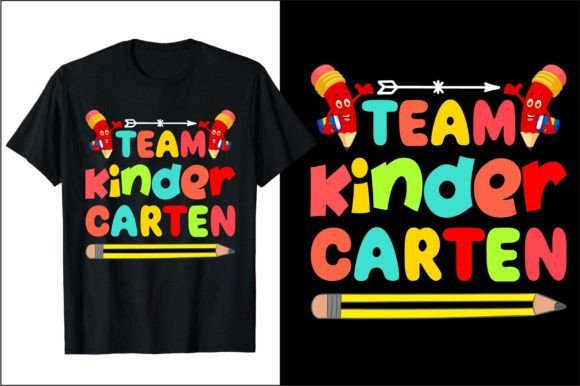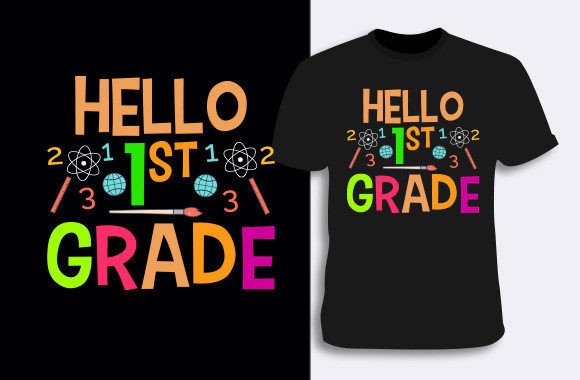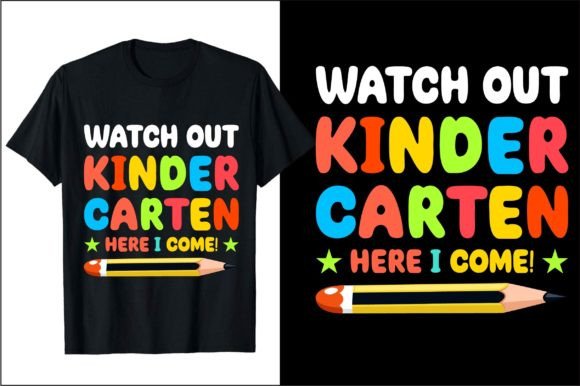
Reviewing Watch out Kinder Carten Here I Come
As a designer who has spent countless hours staring at digitized files and watching needles fly across fabric, I have learned that not every graphic translates well to thread. When I first opened the file for Watch out Kinder Carten Here I Come, my initial reaction was one of cautious optimism. The typography is bold, playful, and undeniably eye-catching, but the real test for any embroidery project is not how it looks on a screen—it is how it behaves under the needle.
This design falls squarely into the category of T-Shirt Designs and general Graphics intended for apparel, but its application extends far beyond a simple tee. For those of us running a craft business or managing an Etsy seller account, finding assets that balance visual appeal with stitching practicality is rare. This review breaks down how this specific design performs in real-world scenarios, from custom apparel to handmade products.
First Impressions and Visual Personality
The mood of Watch out Kinder Carten Here I Come is energetic and celebratory. It captures that specific mix of excitement and nervousness that comes with starting kindergarten. The layout relies heavily on typography, which means the success of the finished product depends entirely on legibility and stitch clarity. In digital form, the letters are crisp. However, when we talk about machine embroidery design, we must consider how those curves and angles translate into satin stitch or fill stitch patterns.
I appreciate designs that do not try to be everything to everyone. This piece knows its audience: parents, grandparents, and teachers preparing for the school year. It fits naturally into holiday embroidery collections for back-to-school seasons or as a standalone personalized gift for a child’s first big milestone. The visual personality is friendly, making it an excellent choice for baby embroidery projects where softness and approachability are key.
Real-World Application and Fabric Choices
To truly evaluate this design, I imagined placing it on several different substrates. The most obvious choice is a sweatshirt embroidery project. A heather gray or navy crewneck provides a stable, textured canvas that can support the weight of the stitching. The contrast between the thread colors and the fabric texture here is crucial. If you are using light thread on a dark fabric, you must ensure your digitizer has accounted for proper underlay stitches to prevent the background from showing through.
Another strong contender is a tote bag design. Canvas bags are durable and popular among small shop products. The rigid nature of canvas helps maintain the shape of the letters, preventing the distortion that often plagues stretchy fabrics. However, if you are attempting this on a thin t-shirt, you must be vigilant. Thin fabric requires a high-quality stabilizer to prevent puckering, especially around the denser parts of the lettering. I would advise against using this on extremely stretchy jersey knits unless you have significant experience with hoop tension and stabilization.
For those interested in creating an embroidered patch, this design could work well if scaled correctly. Patches allow you to control the backing and density more precisely than direct-to-garment embroidery. Just remember that tiny details may get lost if the patch is too small, so check the minimum recommended size before committing to production.
Technical Considerations for Stitching
When working with typography-based graphics, stitch density is the silent killer of good designs. If the density is too high, the fabric will pucker, and the thread may break. If it is too low, the fabric will show through, ruining the professional look of your handmade product. While I cannot specify the exact stitch count or file formats for Watch out Kinder Carten Here I Come without seeing the specific data file, I strongly recommend reviewing these details before purchase.
Always test the design on scrap fabric first. This is non-negotiable for professional results. Use the same type of fabric and stabilizer you intend to use for the final item. Check for thread breaks, nesting, or registration issues. If the design includes small connecting lines or intricate corners, inspect them closely. These areas are prone to tangling if the machine speed is too high or the tension is off.
Color selection also plays a massive role. While the design may come with suggested thread colors, do not be afraid to experiment. High-contrast combinations often read better from a distance, which is important for items like caps or aprons. Try viewing your test stitch-out in black and white mockups to ensure the shape remains recognizable even without color cues. This is a useful trick for assessing the structural integrity of the design.
Commercial Viability and Brand Consistency
For commercial embroidery projects, consistency is key. If you are building a brand around school-themed items, this design fits seamlessly into a larger collection. It enhances buyer engagement because it taps into an emotional moment for families. However, you must confirm licensing before selling finished items or digital products. Never assume a design is free for commercial use just because it is available online. Check the terms provided by the creator to ensure you are compliant.
Using this design in printable mockups for your Etsy listings can help customers visualize the final product. Show it on a variety of items—pillow covers, kitchen towels, or even nursery decor—to demonstrate versatility. But be honest about limitations. If the design does not scale well to very small hoop sizes, state that clearly. Transparency builds customer trust and reduces returns.
Final Verdict
Watch out Kinder Carten Here I Come is a solid addition to any designer’s library of T-Shirt Designs and Graphics. It offers a clear, cheerful message that resonates with its target audience. While it requires careful attention to stabilizer choice and fabric selection, the potential for creating high-value, personalized gifts is significant. Whether you are decorating a cap, a blanket, or a boutique sweatshirt, this design can deliver professional results if handled with care. Always prioritize testing and verification of technical specs to ensure your finished product meets the high standards your customers expect.