Coffee T-Shirt Designs: A Designer’s Practical Review
As a designer who has spent countless hours digitizing patterns and troubleshooting hoop crashes, I approach every new Coffee T-shirt Designs collection with a critical eye. We are not just looking for pretty pictures; we are looking for viability. Can this design survive the tension of a cap? Will it pucker on a lightweight tee? Does it translate well from screen to thread? Today, I am evaluating this specific set of graphics not just as digital art, but as potential embroidery assets for real-world projects.
First Impressions and Visual Personality
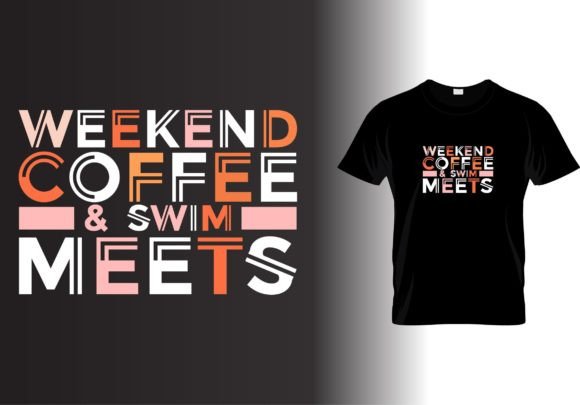
When I first opened the files, the immediate mood was warm, inviting, and universally relatable. Coffee is more than a beverage; it is a lifestyle marker. The designs in this pack capture that essence without relying on overly complex shading that often fails in embroidery. The lines are clean, and the shapes are bold enough to hold their own when stitched out. For an embroidery designer, this is crucial. Intricate details often get lost in the texture of the fabric, but these graphics maintain their integrity even at smaller scales.
The visual personality here is versatile. It feels equally at home on a rustic burlap tote as it does on a sleek, modern sweatshirt. This adaptability is rare in generic T-Shirt Designs. Many coffee-themed graphics lean too heavily into cluttered typography or fragile line work. This collection strikes a balance, offering strong silhouettes that will stitch cleanly with standard satin or fill stitches.
Real-World Application: The Custom Tote Scenario
To test the practical value, I imagined a common client request: a set of personalized gifts for a local café’s grand opening. The owner wanted branded tote bags that felt high-end but durable. I selected one of the central motifs from the Coffee T-shirt Designs pack. Because the design relies on solid shapes rather than tiny, isolated elements, it is ideal for a tote bag made of canvas or heavy cotton.
In this scenario, the design performs exceptionally well. The lack of excessive micro-detail means fewer thread breaks and faster run times. When I visualized the stitching process, I could see how a dense fill stitch would create a plush, textured look that customers love to touch. It adds tangible value to the handmade product, transforming a simple bag into a keepsake. For Etsy sellers and small shop owners, this kind of reliability is gold. You do not want to spend twenty minutes hooping a item only to have the design fail due to poor digitizing logic.
Navigating Fabric and Hoop Constraints
However, no design is universal. There are specific situations where you must exercise caution with these graphics. If you are working with stretchy fabrics, such as performance tees or thin jersey knits, the density of the fill areas becomes a concern. Without proper stabilization, heavier stitch counts can cause puckering. I always recommend using a cut-away stabilizer for garments that will be washed frequently, ensuring the embroidery file remains stable over time.
Another consideration is hoop size. While the provided PNG is high resolution at 4500×5400, allowing for crisp sublimation prints on mugs or large banners, the embroidery application requires careful scaling. If you are attempting to place this on a curved surface like a baseball cap, you must ensure the design fits within a 4x4 or 5x7 hoop without distorting the proportions. Tiny lettering, if present in any variant of these Graphics, should be tested on scrap fabric first. Small text can easily become illegible if the stitch density is too high or the thread color lacks contrast against the fabric.
Commercial Viability and Brand Consistency
For those running a craft business, consistency is key. Using a cohesive set of designs helps build brand recognition. These coffee-themed assets offer a professional look that elevates perceived value. Whether you are creating custom apparel for a corporate retreat or holiday embroidery gifts for family, the clean aesthetic ensures the final product looks intentional and polished.
It is important to note the file formats included: EPS, SVG, and PNG. These are primarily vector and raster image formats, which are excellent for sublimation, vinyl cutting, and print-on-demand services. However, if you are strictly a machine embroiderer, you need to verify if actual stitch files (like DST, PES, or JEF) are included or if you need to digitize these vectors yourself. The description mentions "Sublimation T-shirt mug bag etc," which suggests these are optimized for printing and cutting. If you plan to use them for machine embroidery design work, you may need to convert the SVG or EPS into stitch data using your preferred software. Always check the license terms before selling finished items or digital products to ensure compliance.
Practical Designer Notes for Best Results
Before committing to a full production run, follow these steps to ensure success:
- Test on Scrap Fabric: Always stitch a sample on the same material type you intend to use for the final product. This reveals issues with tension and density.
- Check Thread Contrast: Coffee themes often involve browns, creams, and blacks. Ensure your thread colors pop against the fabric. A dark brown design on a black shirt will vanish.
- Review Stitch Density: If digitizing from the SVG, adjust the density for thinner fabrics to prevent stiffness.
- Confirm Hoop Size: Measure your maximum hoop area and scale the design accordingly, leaving enough margin for clamping.
- Inspect Small Details: Zoom in on the vector file. Are there any stray nodes or tiny gaps that might cause stitching errors?
- Mockup Testing: Use the high-res PNG to create printable mockups for your online store. This helps gauge customer interest before you stitch a single thread.
Final Verdict on Usability
The Coffee T-shirt Designs pack offers a solid foundation for creators who value versatility. While the primary formats suggest a focus on sublimation and cutting, the clean vector lines make them excellent candidates for conversion into embroidery files. The designs avoid the common pitfalls of overly complex shading, making them forgiving for both beginners and pros. Whether you are decorating baby clothes with a cute, small motif or branding sweatshirt embroidery for a local business, these graphics hold up under scrutiny. Just remember to respect the limitations of your materials and machinery, and you will find these assets to be a reliable addition to your creative toolkit.