Reviewing Autism T Shirt Design for Embroidery Use
As a designer who has spent years translating digital concepts into tangible, stitched realities, I approach every new Autism T Shirt Design with a critical eye. It is not enough for a graphic to look vibrant on a screen; it must hold its integrity under the needle. When I first opened the files for this particular design, my immediate thought was about versatility and emotional resonance. This is not just a pattern; it is a statement piece that requires careful handling to ensure the final product respects the message it carries.
First Impressions and Visual Personality
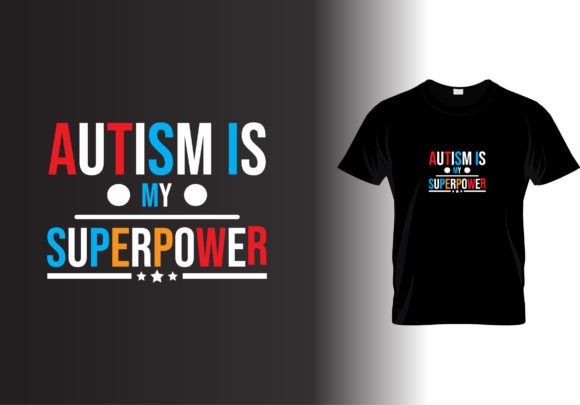
The initial layout of this design strikes a balance between modern simplicity and meaningful symbolism. The mood it creates is one of awareness and support, which is crucial for any project centered around neurodiversity. From a technical standpoint, the shapes appear clean, with distinct boundaries that suggest they will translate well into stitch paths. However, visual personality in embroidery is dictated by thread choice and density. The design’s open areas likely call for smooth fill stitches, while the outlines may benefit from precise satin stitch work to maintain definition without becoming too bulky.
For those of us creating T-Shirt Designs or broader Graphics for commercial use, the clarity of the motif is paramount. This design does not rely on excessive micro-details that often get lost in production. Instead, it uses bold forms that remain legible even when scaled down for smaller items like patches or baby caps. This scalability is a significant advantage for crafters who need to maximize the utility of a single digital asset across multiple product lines.
Real-World Application: The Custom Sweatshirt Scenario
To truly evaluate this Autism T Shirt Design, I imagined a real-life scenario: a custom order for a family attending an awareness walk. The client requested a high-quality, comfortable sweatshirt that would stand out in a crowd but remain soft against the skin. In this context, the design’s performance is critical. If the stitch density is too high, the garment becomes stiff and uncomfortable. If it is too low, the fabric might show through, ruining the visual impact.
I envision placing this design on the left chest of a heavyweight cotton blend sweatshirt. The contrast between the thread colors and the fabric texture would define the success of the project. For a dark navy sweatshirt, bright, contrasting thread colors would make the design pop, enhancing its visibility and emotional impact. Conversely, on a light heather gray shirt, softer pastels could create a more subtle, sophisticated look suitable for everyday wear. This flexibility allows Etsy sellers and small shop owners to cater to diverse customer preferences without needing entirely new designs.
Navigating Technical Challenges
While the design is promising, there are areas where caution is necessary. Embroidery on curved surfaces, such as caps or tote bags, requires careful hoop management. If this design includes fine lines or small text elements, they must be tested rigorously. Tiny lettering can easily become illegible if the stitch density is not optimized for the specific thread weight being used. I always recommend running a test stitch-out on scrap fabric that matches the final project’s material. This step reveals potential issues with puckering or thread breaks before committing to the final finished product.
Another consideration is the fabric type. Stretchy fabrics, common in t-shirts and baby clothes, require a stable backing. Using the correct stabilizer is non-negotiable here. Without proper stabilization, the design may distort after washing, leading to customer dissatisfaction. For items like embroidered patches or aprons, where durability is key, ensuring that the anchor points of the design are secure will prevent unraveling over time. This attention to detail builds trust with buyers and establishes your reputation as a professional craft business owner.
Commercial Viability and Product Range
The provided file formats—EPS, SVG, and PNG—indicate that this asset is primarily designed for sublimation or print-on-demand applications, such as mugs and bags. However, for embroidery professionals, these vector and high-resolution raster files serve as excellent references for digitizing. If you are converting this Autism T Shirt Design into a machine-readable format, the clean lines in the SVG and EPS files will simplify the tracing process. The high-resolution PNG allows for detailed visual inspection of color placement before you begin the digitization workflow.
This design fits naturally into a wide range of commercial embroidery projects. Beyond apparel, consider using it on tote bag designs, pillow covers, or even kitchen towels for themed gifts. During holiday seasons, holiday embroidery projects that incorporate awareness themes see increased demand. A well-executed version of this design on a cozy blanket or a nursery decor item can serve as a thoughtful personalized gift that resonates deeply with recipients. For digital product sellers, offering this as part of a bundle with other awareness-themed graphics can increase average order value and attract a niche audience looking for cohesive branding assets.
Practical Notes for Designers and Makers
Before launching this design in your store or using it for client work, take a moment to review the licensing terms. Since the source mentions use for sublimation and print products, confirm whether commercial rights for embroidered goods are included or if additional licensing is required. Never assume that a file format suitable for printing automatically grants rights for physical embroidery sales. Clarity here protects your small shop product line from legal issues.
- Test on Scrap Fabric: Always run a sample on the exact material you plan to use. Check for puckering and thread tension.
- Check Thread Contrast: View the design in black and white to ensure the shapes remain distinct without color reliance.
- Verify Hoop Size: Ensure the design fits within your machine’s maximum hoop dimensions, especially for larger placements on sweatshirts.
- Inspect Small Details: Zoom in on the digital file to identify any tiny elements that may not stitch out cleanly at smaller scales.
- Confirm Licensing: Double-check the seller’s terms regarding commercial use for physical embroidered items versus digital prints.
In conclusion, this Autism T Shirt Design offers a strong foundation for meaningful, marketable products. Its success lies in the execution. By respecting the technical demands of embroidery—choosing the right stabilizer, optimizing stitch density, and selecting appropriate fabrics—you can transform this digital graphic into a high-value handmade product. Whether you are an experienced embroidery designer or a hobbyist looking to expand your design assets, approaching this project with practical judgment will yield results that customers appreciate and trust.