Reviewing Girls Wanna Have Fundamental Human Right for Embroidery
As a designer who has spent countless hours digitizing and stitching out files for clients, I approach every new machine embroidery design with a mix of curiosity and skepticism. We have all been there: you download a file that looks crisp on the screen, only to watch it turn into a tangled mess of thread breaks and puckering on the fabric. That is why I took a close look at Girls Wanna Have Fundamental Human Right before committing it to any client project or personal handmade product. This is not just about aesthetics; it is about viability in the real world of hoop art and apparel decoration.
First Impressions and Visual Personality
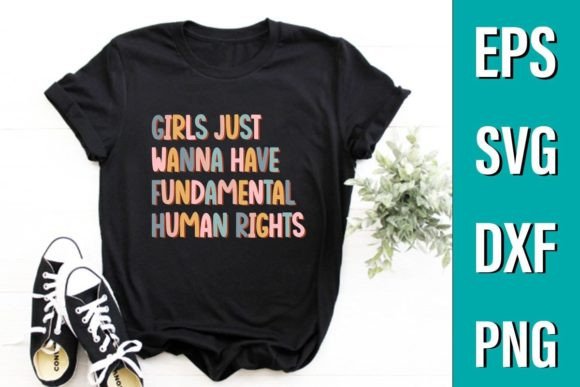
The phrase itself carries weight. It is bold, declarative, and unapologetic. When I first loaded the preview for Girls Wanna Have Fundamental Human Right, I was looking for how the typography handled that weight. In embroidery, text is notoriously difficult. Thin serifs disappear, and tight kerning leads to thread bunching. The layout here feels intentional. It does not try to be overly decorative with flourishes that would compromise stitch integrity. Instead, it relies on strong, clear letterforms that suggest a modern, activist vibe.
This mood matters. If you are an Etsy seller or run a small shop product line, your designs need to speak to your audience instantly. This piece fits naturally into categories like social justice apparel, feminist gift collections, or empowering nursery decor. It feels at home on a canvas tote bag design or as a statement piece on a heavyweight hoodie. The visual personality is serious yet accessible, which broadens its appeal beyond niche markets.
Real-World Application Scenarios
To truly evaluate an embroidery file, you have to imagine it on actual goods. I pictured this design stitched onto a natural cotton tote bag. The contrast of dark thread against light canvas would make the message pop, creating a durable accessory for daily use. Another scenario that came to mind was sweatshirt embroidery. A crewneck sweatshirt provides a stable, thick surface that handles text well. Here, the design could serve as a central chest piece or a larger back print, depending on the scale.
For those in the craft business, consider the versatility. This could easily be adapted for a personalized gift market. Imagine it on a high-quality apron for a chef who advocates for equality, or even as part of a curated box of holiday embroidery gifts that focus on meaningful messages rather than seasonal clichés. The key is matching the gravity of the quote with the quality of the item. You would not put this on a flimsy, disposable garment. It belongs on items meant to last, reinforcing the permanence of the statement.
Technical Considerations for Stitching
Now, let us talk about the mechanics. Since the product description mentions this is available as an SVG for printing but we are evaluating it for embroidery, we must assume a digitized version exists or needs to be created. If you are using a pre-digitized digital embroidery file, check the stitch types. For text this size, a combination of satin stitch for smaller letters and fill stitch for larger ones is common. However, satin stitches wider than 7mm can snag. Ensure the digitizer has used proper underlay to prevent the fabric from showing through.
Stitch density is critical here. Too dense, and the fabric will pucker, especially on lighter materials. Too sparse, and the backing will show, ruining the professional look. I recommend testing this design on scrap fabric similar to your final product. If you are working with a stretchy fabric like jersey for a t-shirt, a cut-away stabilizer is non-negotiable. For woven fabrics like canvas or denim, a tear-away might suffice, but always test first.
Pay attention to the corners of the letters. Sharp angles in text can lead to thread buildup if the machine does not slow down properly or if the needle penetration is too aggressive. Inspect the small details. Are there any tiny connecting bridges between letters that might break during washing? These are the things that separate a amateur embroidery project from a professional finished product.
Fabric and Hoop Constraints
Not every surface is suitable for this type of graphic. While it works beautifully on flat surfaces like pillow covers or kitchen towels, be cautious with curved surfaces like caps. The distortion on a cap buckle area can warp text, making it unreadable. If you attempt custom apparel like hats, ensure the design is scaled correctly and positioned where the curve is minimal.
Dark fabrics present another challenge. If you are stitching light thread on a black hoodie, you need high coverage. This might require a higher stitch count, which increases production time. Always check thread color contrast. A mockup in black and white can help you see if the design holds up without color reliance. If the letters blend into the background, no amount of fancy thread will save it.
Commercial Viability and Brand Trust
For commercial embroidery and design assets, consistency is key. Using a design like Girls Wanna Have Fundamental Human Right can enhance brand trust if it aligns with your values. Customers appreciate authenticity. However, professionalism is paramount. A poorly stitched message undermines the sentiment. Ensure your tension is perfect and your needles are fresh. A clean, crisp stitchout signals quality, encouraging repeat buyers and positive reviews.
Before listing this as a printable mockup or selling the embroidered patch, confirm the licensing. The description notes it is a quote design, but intellectual property rights around phrases can be tricky. Ensure you have the right to use this specific arrangement commercially. If you are an apparel decorator, clarity on usage rights protects your business from legal issues down the line.
Final Verdict for Makers
In summary, Girls Wanna Have Fundamental Human Right is a potent addition to your library if handled with technical care. It is not a filler graphic; it is a statement piece. It performs best on stable, medium-to-heavyweight fabrics where the text can remain legible and impactful. Avoid using it on delicate silks or highly textured fleeces where the details might get lost.
Test your hoop size to ensure the entire phrase fits without re-hooping, which can cause alignment issues. Use appropriate stabilizer to support the stitch density. And always, always do a test run. When done right, this design elevates a simple garment into a conversation starter. It is a solid choice for makers who want to combine craft with conscience, provided they respect the technical demands of textile art. Whether for a boutique brand or a one-off baby embroidery gift for a progressive family, this design has the potential to resonate deeply when executed with precision.