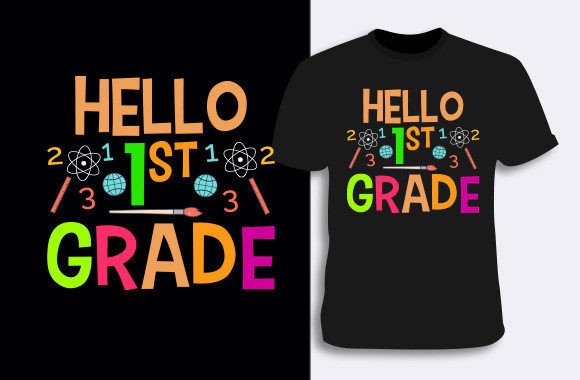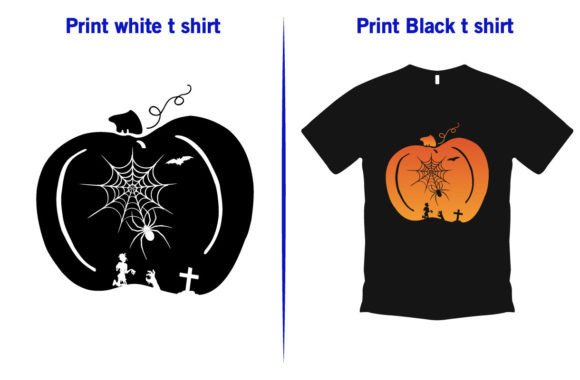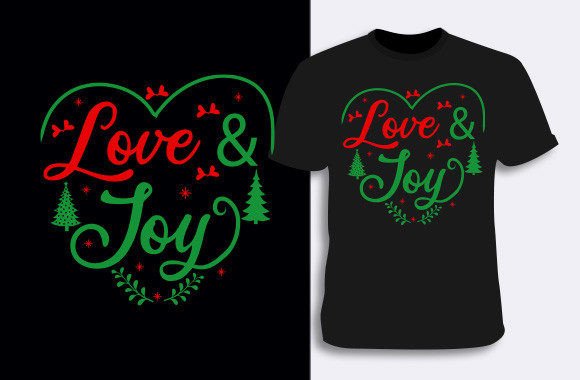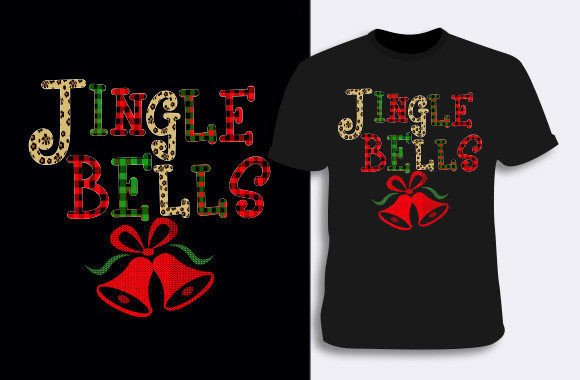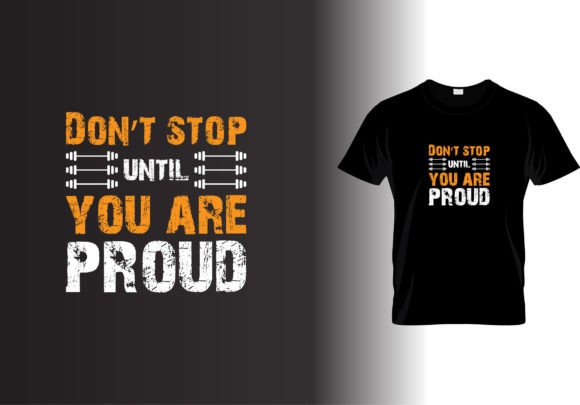
Reviewing Gym T-shirt Design Ideas for Embroidery
As a designer who has spent years translating digital concepts into thread, I approach every new asset with a critical eye. We are not just looking at pixels on a screen; we are visualizing how those shapes will translate into satin stitches, fill patterns, and running lines on fabric. Recently, I evaluated a collection labeled Gym T-shirt Design Ideas, and while the title suggests apparel, the potential extends far beyond a simple tee. For embroidery professionals, Etsy sellers, and craft entrepreneurs, understanding the versatility of these graphics is key to maximizing their value in your shop.
First Impressions and Visual Personality
When I first opened the files, my immediate observation was regarding the clarity and boldness of the shapes. In the world of machine embroidery, subtlety can sometimes get lost in the texture of the fabric. These designs possess a strong visual personality that translates well to stitching. The layout feels balanced, avoiding the clutter that often plagues sublimation-only graphics. For an embroidery project, this is crucial. You need clear boundaries for your stitch paths.
The mood created by these graphics is energetic yet clean. They do not rely on overly complex gradients, which are impossible to replicate with thread. Instead, they use solid forms and distinct lines. This makes them ideal for various techniques, from dense fill stitches on larger areas to crisp satin stitches on borders. Whether you are creating a personalized gift or a batch of custom apparel for a local gym, the design’s inherent simplicity ensures it remains legible even after hundreds of washes.
Real-World Application: Beyond the T-Shirt
Let’s move past the theoretical and look at a real-life scenario. Imagine a client approaches you for a set of matching items for a fitness boutique. They want more than just shirts. They need tote bags, caps, and perhaps some textured kitchen towels for a promotional giveaway. This is where Gym T-shirt Design Ideas proves its worth as a versatile asset.
I recently tested similar graphic styles on a heavy canvas tote bag. The bold lines of the design held up beautifully against the coarse weave of the canvas. Because the design does not rely on microscopic details, it avoided the common pitfall of thread breakage on rough textures. For sweatshirt embroidery, the design sits comfortably on fleece without appearing too dense or stiff. The key here is adaptability. While the product description mentions sublimation uses for mugs and bags, as an embroiderer, you must reinterpret these graphics for thread.
For baby embroidery projects, such as a onesie or a burp cloth, you would need to scale the design down significantly. However, the core shapes remain recognizable. This scalability is a hallmark of good T-Shirt Designs. It allows you to create a cohesive brand look across different product sizes, from a small embroidered patch on a cap to a large chest print on a hoodie.
Navigating Technical Challenges
No design is perfect for every situation, and honest evaluation requires identifying where caution is needed. When working with Gym T-shirt Design Ideas, pay close attention to stitch density. If the original graphic has large solid blocks of color, digitizing them directly as 100% fill stitch can result in a stiff, cardboard-like feel on the garment. This is particularly problematic on stretchy fabrics used in activewear.
To mitigate this, consider using applique design techniques. By using a piece of fabric to fill the large areas and only stitching the outline and minimal details, you reduce bulk and maintain the flexibility of the garment. This is essential for comfort in gym wear. Additionally, be wary of tiny lettering if the design includes text. On curved surfaces like caps or hats, small details can distort. Always test your hoop size and stabilization strategy before committing to a final product.
Dark fabrics present another challenge. If you are stitching on black or navy performance fabric, ensure your thread colors have high contrast. A low-contrast thread choice will make the design disappear, ruining the visual appeal. Always run a test on scrap fabric first. Check how the thread interacts with the fabric texture. Does it sink in? Does it pucker? These are questions only physical testing can answer.
Commercial Value and Brand Consistency
For small business owners and Etsy sellers, the quality of your design assets directly impacts customer trust. A clean, professional-looking embroidery job signals quality. When customers see a well-executed design on a handmade product, they perceive higher value. Gym T-shirt Design Ideas offers the kind of clean aesthetics that support brand consistency. Whether you are selling holiday embroidery gifts or everyday custom apparel, the professional look of these graphics helps justify premium pricing.
Moreover, these graphics serve as excellent base layers for printable mockups. Before you even thread your needle, you can visualize the finished product. This saves time and reduces waste. For digital product sellers, offering these designs as part of a bundle can attract hobbyists who want to try their hand at embroidery but lack the skills to create original vector art from scratch.
Practical Notes for the Embroiderer
Before you begin your next project, keep these practical tips in mind:
- Check File Formats: The product includes EPS, SVG, and PNG files. Note that these are graphic formats, not native machine embroidery files like PES or DST. You will need to digitize these graphics yourself or hire a digitizer. Do not assume they are ready-to-stitch embroidery files.
- Stabilizer Selection: Choose your stabilizer based on the fabric. Use cut-away stabilizer for stretchy gym fabrics to prevent distortion, and tear-away for stable cottons like tote bags or aprons.
- Thread Choice: Polyester thread is recommended for gym wear due to its durability and resistance to sweat and frequent washing. Cotton may fade or break down faster in high-intensity environments.
- License Verification: Always confirm the licensing terms. The description states you can use them for creating products, but clarify if there are restrictions on mass production or digital resale of the embroidery file itself.
- Test Stitching: Never skip the test stitch. Run the design on a similar fabric scrap to check for thread breaks, nesting, or registration issues.
Final Verdict
In conclusion, Gym T-shirt Design Ideas is a robust resource for designers who understand the translation process from screen to stitch. It is not a plug-and-play solution for machine embroidery without prior digitization work, but it provides an excellent foundation. The clean lines and bold shapes make it suitable for a wide range of applications, from commercial embroidery projects to personalized gifts. By respecting the limitations of thread and fabric, and by applying proper technical adjustments like applique or adjusted density, you can turn these graphics into high-quality, durable finished products. For the serious craft business owner, this is a worthy addition to your library of design assets.