Let Your Dreams Be Your Wings: A Designer’s Review
As an embroidery designer who has spent years digitizing files and troubleshooting stitch-outs, I approach every new Graphics asset with a critical eye. We are not just looking at pretty pictures; we are evaluating how ink and thread will translate into tangible value for our clients. The design titled Let Your Dreams Be Your Wings caught my attention recently, not because it is complex, but because of its potential versatility in the current market of inspirational home decor and apparel.
This piece falls under the category of Print Templates, which means it arrives as a high-resolution graphic rather than a pre-digitized machine embroidery design. For those of us running a craft business, this distinction is vital. It offers flexibility for sublimation on mugs and shirts, but for embroidery professionals, it requires a thoughtful conversion process or careful application as a printed transfer before stitching. Here is my practical assessment of how this design performs in real-world scenarios.
First Impressions and Visual Mood
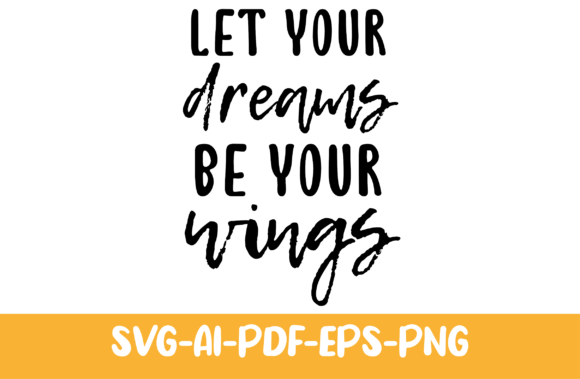
The immediate impact of Let Your Dreams Be Your Wings is one of gentle aspiration. The typography likely leans toward a flowing script or a clean, modern serif, paired with wing motifs that suggest lift and freedom. In terms of layout, the balance between text and imagery is crucial. If the wings are too detailed, they become a nightmare to stitch. If the lettering is too thin, it gets lost in the fabric texture.
From a designer’s perspective, the mood is uplifting without being cliché. It fits seamlessly into niches like nursery decor, graduation gifts, and motivational office wear. The visual personality is soft yet confident, making it an excellent candidate for products that need to feel personal and heartfelt. When I visualize this on a tote bag design, I see a product that appeals to students, creatives, and anyone needing a daily reminder of their potential.
Real-World Application: The Custom Sweatshirt Test
To truly evaluate a design, I imagine it on a specific product. Let’s consider a custom sweatshirt embroidery project for a boutique client. The goal is to create a premium personalized gift that stands out in a crowded Etsy seller marketplace.
If I were to use this graphic as a reference for digitizing, I would focus heavily on the wings. Using a combination of satin stitch for the outline and a light fill stitch for the interior feathers would provide depth without excessive bulk. The text, "Let Your Dreams Be Your Wings," needs to be legible from a distance. On a dark heather grey sweatshirt, using a contrasting thread color like cream or gold would make the message pop. This approach transforms a simple digital embroidery file concept into a high-value finished product.
However, since this is provided as a graphic, many sellers might opt for hybrid methods. Printing the design via sublimation onto a patch and then appliquéing it onto the garment is a smart workaround. This reduces stitch count and preserves the intricate details of the original Graphics file. It also speeds up production time, which is essential for small shop owners during holiday rushes.
Navigating Fabric and Technical Challenges
Not every surface is friendly to detailed designs. When working with Let Your Dreams Be Your Wings, you must consider the fabric texture and stitch density. Thin fabrics like silk or lightweight cotton require a robust stabilizer to prevent puckering, especially if the wing elements are dense. Stretchy fabrics, such as those used in athletic wear or baby clothes, demand extra caution. If the design is too rigid, it will distort when the garment moves.
For baby embroidery, I would recommend simplifying the wing details. Babies have sensitive skin, so avoiding scratchy satin stitches on the back is priority number one. A running stitch outline or a simplified applique approach would be safer and more comfortable. Similarly, on curved surfaces like caps, the center of the design must align perfectly with the crown. Any asymmetry in the wings will be immediately noticeable and look unprofessional.
Dark fabrics present another challenge. If you are stitching directly, you may need an underlay of white thread to ensure the colors remain vibrant. Alternatively, using a light-colored fabric base for an embroidered patch and then attaching it to the dark garment ensures clarity and contrast.
Commercial Viability and Brand Consistency
For commercial embroidery projects, consistency is key. This design works well for branding because it conveys a positive, universal message. It can be adapted for various design assets, from printable mockup previews to actual physical goods. Whether you are selling on Merch by Amazon, Redbubble, or through your own Shopify store, the inspirational quote resonates with a broad audience.
Buyer engagement often hinges on the perceived quality of the item. A well-executed version of Let Your Dreams Be Your Wings suggests care and craftsmanship. It builds customer trust. However, poor execution—such as tangled threads or misaligned text—can damage your brand reputation. Always test the design on scrap fabric first. Check the thread color contrast against your intended material. Review the stitch density to ensure it does not overwhelm the fabric.
Practical Notes for Designers and Makers
Before launching this design in your small shop product line, consider these technical steps:
- Verify Licensing: Since this is a graphic template, confirm whether you have the rights to modify and digitize it for commercial sale. Ensure you understand the difference between selling the digital file and selling the finished physical item.
- Test Hoop Sizes: Determine the minimum hoop size required to capture the full span of the wings and text without cropping. A 5x7 inch hoop might be tight, while a 6x10 inch hoop could offer better proportion.
- Mockup Testing: Create black and white mockups to check for contrast issues. If the design disappears in grayscale, it will likely lack definition when stitched with similar thread tones.
- Detail Inspection: Zoom in on the wing tips. If they are too fine, they may break during stitching or fray after washing. Simplify these areas if necessary.
- Wash Testing: For items like kitchen towel or pillow covers that undergo frequent washing, ensure the threads are colorfast and the stabilizer is tear-away or cut-away as appropriate for longevity.
In conclusion, Let Your Dreams Be Your Wings is a versatile asset for creative entrepreneurs. It bridges the gap between digital art and tactile craft. By understanding its limitations and leveraging its emotional appeal, you can create handmade products that not only look beautiful but also carry meaning. Whether you are decorating a holiday embroidery gift or building a catalog of custom apparel, this design offers a solid foundation for success. Just remember to respect the technical requirements of embroidery to ensure every stitch counts.