Reviewing Happiness-is-a-Big-Fish-and-a-witness
As an embroidery designer who has spent countless hours digitizing and stitching out files for clients, I approach every new machine embroidery design with a critical eye. It is not just about whether the image looks cute on a screen; it is about how it translates to thread, how it holds up on fabric, and whether it adds genuine value to a finished product. Recently, I evaluated Happiness-is-a-Big-Fish-and-a-witness, a piece that falls under the category of Print Templates and Graphics, to see if it truly delivers for real-world craft projects.
First Impressions and Visual Personality
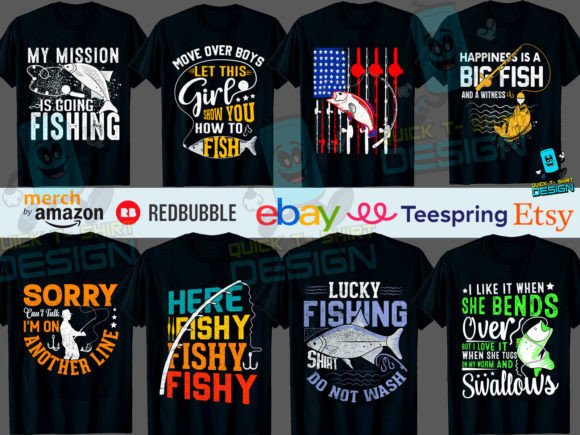
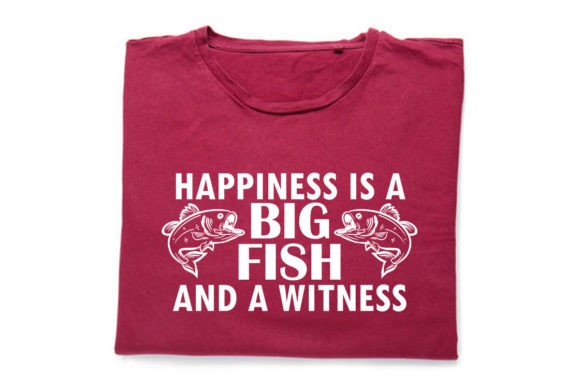
The first thing that strikes you about Happiness-is-a-Big-Fish-and-a-witness is its whimsical yet grounded mood. The phrase suggests a love for angling, but the inclusion of "witness" adds a layer of storytelling that feels personal and slightly humorous. Visually, the layout balances text with illustrative elements, creating a composition that feels complete without being overly cluttered. For an embroidery project, this balance is crucial. Too much detail can lead to stitching issues, while too little can look sparse on larger garments.
The design’s personality leans toward the rustic and outdoorsy, making it a natural fit for custom apparel aimed at fishing enthusiasts, families who enjoy lake life, or anyone who appreciates a good nature quote. When I look at the provided assets, including the high-resolution PNG and vector files like EPS and SVG, I see versatility. While these are primarily graphics, they serve as excellent references for digitizers or can be used directly in hybrid print-and-embroidery projects.
Real-World Application: The Tote Bag Test
To understand how Happiness-is-a-Big-Fish-and-a-witness performs, I imagined applying it to a heavy canvas tote bag. This is a popular item for Etsy sellers and small shop owners because it is practical and offers a large, flat surface for stitching. On a tote, the design would need to be scaled appropriately to ensure readability from a distance. The boldness of the fish motif would stand out well against natural cotton or denim backgrounds.
If I were producing this for a client, I would consider using a combination of satin stitch for the text to give it a smooth, professional finish, and fill stitch for the fish illustration to add texture and depth. The contrast between the smooth lettering and the textured graphic would enhance the visual appeal, making the handmade product feel premium. Customers often judge the quality of a personalized gift by the clarity of the stitching, so ensuring that the curves of the fish and the serifs of the letters are clean is paramount.
Versatility Across Product Lines
Beyond tote bags, this design has potential across various categories. For sweatshirt embroidery, the design could be placed on the chest for a subtle look or across the back for a statement piece. When working with knit fabrics, however, one must be cautious about pull and distortion. Using a proper stabilizer is non-negotiable here. A cut-away stabilizer would provide the necessary support to keep the stitches from sinking into the fleece or cotton blend.
For baby embroidery, such as on a onesie or a burp cloth, the scale would need to be reduced significantly. In this scenario, the finer details of the "witness" text might become challenging to stitch if the font is too thin. I would recommend testing a smaller version on scrap fabric first to ensure that the running stitch or satin stitch remains intact and does not bunch up. Similarly, for embroidered patches, the design’s boundary needs to be well-defined to allow for a clean merrowed edge or satin border.
Navigating Technical Challenges
While Happiness-is-a-Big-Fish-and-a-witness is visually appealing, there are areas where careful attention is required. Small hoop sizes, such as 4x4 inches, might restrict the ability to include the full phrase legibly. If the design is intended for caps or hats, the curved surface presents another challenge. The text may need to be arched manually during the digitizing process to prevent distortion when stitched on a curved brim.
Thread color choice plays a significant role in the final outcome. On dark fabric, light-colored threads will pop, but they may require underlay stitches to prevent the background from showing through. Conversely, on light fabric, darker threads provide strong contrast. I always advise checking the design in black and white mockups to assess value and contrast before committing to specific thread colors. This step helps identify any areas where stitch density might be too low, causing gaps, or too high, causing puckering.
Commercial Viability and Brand Consistency
For craft business owners and Etsy sellers, the commercial viability of a design depends on its uniqueness and execution. Happiness-is-a-Big-Fish-and-a-witness offers a niche appeal that can help differentiate a small shop product from generic mass-produced items. When used consistently across a brand’s offerings, such as on aprons, kitchen towels, and pillow covers, it builds recognition and trust. Buyers engage more with products that tell a story, and this design’s narrative quality supports that engagement.
However, it is essential to confirm licensing terms before selling finished items or digital products. The package includes Print Ready Files, PNGs, EPS, SVG, and DXF files, which suggests it is designed for both printing and cutting. If you plan to use it for machine embroidery, you may need to digitize it yourself or ensure the license covers conversion. Always check the specific terms provided with the purchase to avoid legal issues.
Practical Designer Notes
- Test on Scrap Fabric: Always stitch out a test sample on the same type of fabric you intend to use for the final product. This reveals issues with tension, density, and registration.
- Check Thread Contrast: Ensure there is sufficient contrast between the thread colors and the fabric background to maintain readability, especially for the text portions.
- Review Stitch Density: High-density areas can cause puckering, while low-density areas may look sparse. Adjust settings based on your machine and fabric type.
- Confirm Hoop Size: Make sure the design fits within your available hoop size without compromising detail. Larger hoops allow for more flexibility in placement.
- Use Proper Stabilizer: Select the right stabilizer for your fabric. Cut-away for stretchy knits, tear-away for stable wovens, and wash-away for delicate or sheer fabrics.
- Inspect Small Details: Zoom in on the digital file to check for tiny elements that may not stitch well. Simplify if necessary to ensure durability.
In conclusion, Happiness-is-a-Big-Fish-and-a-witness is a charming addition to any designer’s library of graphics and print templates. With careful attention to technical details and thoughtful application, it can elevate a wide range of embroidery projects, from holiday gifts to boutique merchandise. By understanding its strengths and limitations, you can create finished products that are not only visually appealing but also durable and professionally crafted.